
PDF Guide
The Gentle Sleep Toolkit
A practical, responsive guide with gentle tools to help your baby settle for sleep while supporting their individual needs, regulation, and development.
Home / Resources
Gentle, practical, evidence-informed sleep education for babies, toddlers, and children.
Not sure where to start?
Start with your child's age and explore practical, evidence-informed guidance designed to meet them where they are.

Gentle, practical guidance for understanding newborn sleep, wake windows, feeding, naps, and early sleep foundations.
Explore →
Practical guidance for baby sleep, including naps, night waking, sleep associations, routines, and developmental changes.
Explore →
Gentle guidance for toddler bedtime resistance, nap transitions, night waking, early rising, and changing sleep needs.
Explore →
Practical sleep education for bedtime struggles, night waking, nightmares, anxiety around bedtime, and healthy sleep schedules.
Explore →Explore practical guidance organized around the questions and sleep challenges families are navigating.

Understand common reasons babies wake frequently overnight and explore gentle, responsive approaches to support more settled sleep.
Explore →
Practical guidance for families navigating contact sleep, settling, and transitions toward more flexible sleep.
Explore →
Practical guidance for parents whose baby struggles to sleep or stay asleep in the crib.
Explore →
Helpful guidance for understanding short naps, wake windows, sleep needs, and common reasons naps may not last.
Explore →
Explore common causes of early waking and practical ways to understand your child's sleep schedule and environment.
Explore →
Practical guidance for parents navigating false starts, when a baby wakes shortly after being put down for the night.
Explore →
Practical guidance for parents navigating split nights, when a baby or child is awake for a long period during the night.
Explore →
Understand frequent night waking and the developmental, environmental, feeding, and sleep-related factors that may contribute.
Explore →
Gentle guidance for bedtime battles, resistance, routines, and helping children feel more settled at bedtime.
Explore →
Explore why children may resist naps and how schedules, developmental changes, and sleep needs can affect daytime sleep.
Explore →
Guidance for families navigating contact naps, sleep preferences, settling, and gradual transitions.
Explore →
Practical guidance for families who are transitioning away from co-sleeping toward a different sleep arrangement.
Explore →Understand common periods of sleep disruption and the developmental changes that can affect your child's sleep.
Explore →Explore practical guidance organized around the questions and sleep challenges families are navigating.

Responsive sleep guidance for breastfeeding families, including night feeds, breastfeeding to sleep, and gentle sleep changes without ending breastfeeding.
Explore →
Responsive sleep education for neurodivergent children and families navigating sensory differences and more complex sleep challenges.
Explore →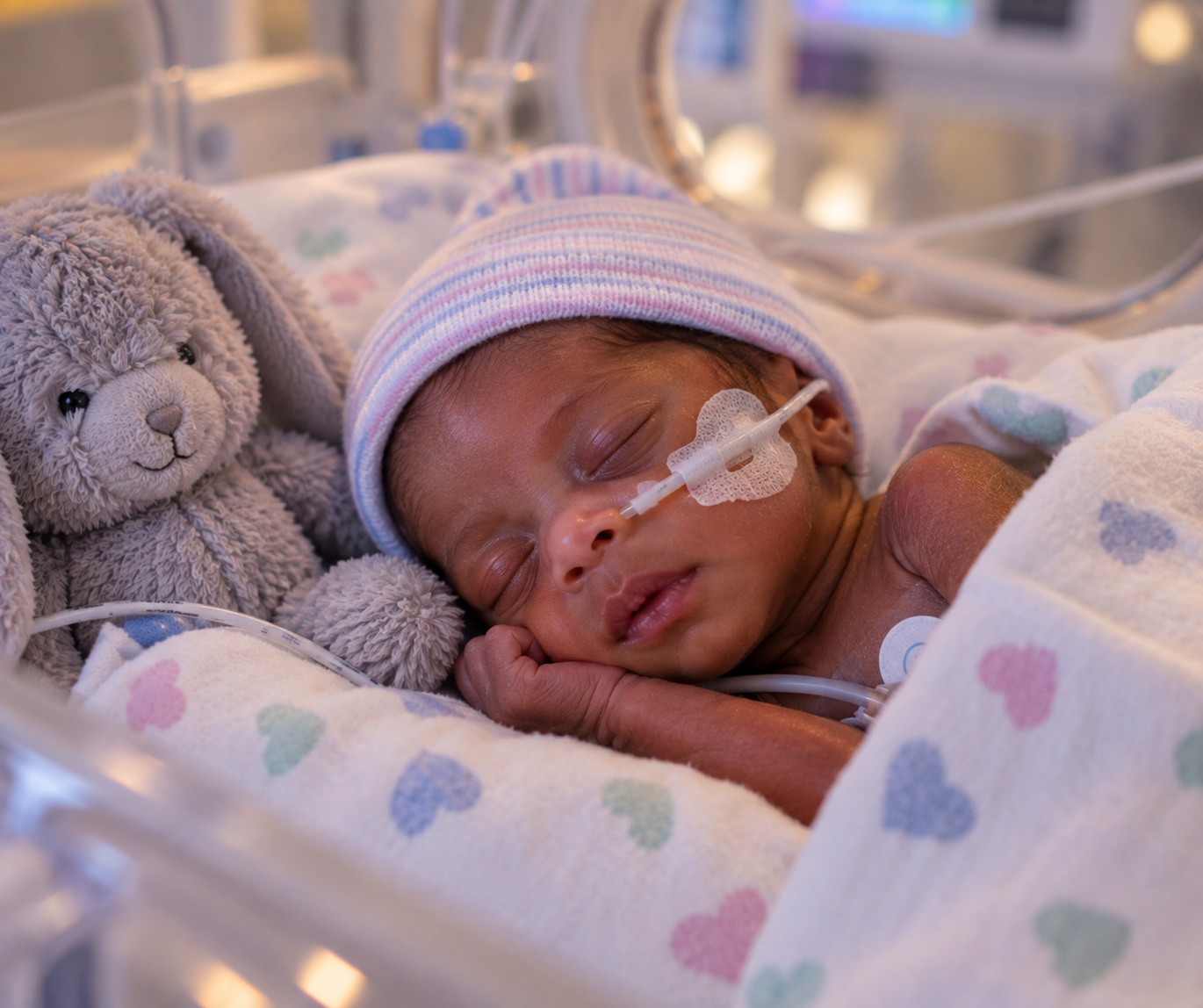
Gentle sleep education for families of premature babies, including adjusted age, feeding, sleep development, and the transition home from NICU care.
Explore →
Practical sleep guidance for families with twins and multiples, including overnight feeding, different sleep needs, and coordinating routines.
Explore →
Educational sleep resources exploring medical and developmental factors that may affect infant and child sleep.
Explore →Learn at your pace
A calm place to build understanding and explore common sleep questions.

Learn how sleep pressure, circadian rhythm, sleep cycles, melatonin, cortisol, and developmental changes influence children's sleep.
Explore →
Learn about common developmental sleep changes, including the 4-month sleep progression, 6-month changes, 8-10 month regression, 12-month regression, 18-month regression, and 2-year sleep regression.
Explore →
Explore how room temperature, white noise, darkness, sleep sacks, swaddling, and travel sleep can affect a child's sleep environment.
Explore →
Explore the relationship between feeding and sleep, including breastfeeding, bottle feeding, night feeds, starting solids, and hunger versus habit.
Explore →Free sleep tool
Add your child's age and usual wake-up time to explore a gentle, flexible rhythm for the day.
Start My ScheduleDownload Center
Free guides you can download, save, and return to whenever you need them.
PDF Guide
A practical, responsive guide with gentle tools to help your baby settle for sleep while supporting their individual needs, regulation, and development.
PDF Guide
A developmental guide to understanding how your baby's sleep changes from birth through the first six months, including newborn sleep, naps, feeding, the four-month transition, and emerging sleep patterns.
PDF Guide
A gentle guide to preparing for sleep coaching, understanding your goals, gathering helpful sleep information, and creating a plan that fits your baby and family.
PDF Guide
A gentle guide to creating a predictable, calming bedtime routine that supports your baby's sleep, development, feeding, and need for connection.
PDF Guide
A gentle guide to understanding newborn sleep, building healthy sleep foundations, and supporting your baby responsively through the early weeks and months.
PDF Guide
Understanding readiness for sleep changes without relying on rigid timelines.
Latest Education
Explore practical education and deeper guidance from Tiny Sleep Studio.
article
Learn how to gradually transition your child from co-sleeping to independent sleep while maintaining connection, reassurance, and a predictable routine.
article
Understand what causes split nights and how sleep pressure, daytime naps, bedtime, circadian rhythm, feeding, and developmental changes may contribute.
article
Learn what false starts are, why they happen, and how to troubleshoot bedtime, daytime sleep, feeding, sleep associations, comfort, and the sleep environment.
article
Learn why your baby may struggle to sleep in the crib and explore gradual, responsive ways to help them become more comfortable with their sleep space.
guide
Learn how sensory differences involving sound, light, temperature, clothing, textures, movement, touch, and the sleep environment can affect settling and night waking.
guide
Understand how autism can interact with sleep through sensory differences, communication, routines, circadian rhythms, sleep associations, anxiety, and medical factors.
Often just two weeks away. I'll help you get there. Available virtually worldwide for sleep consulting.